Veja também


 23.10.2026 11:10 AM

Today, on the final trading day of the week, EUR/USD paused its decline and attempted to hold the psychologically important 1.1200 level, but with little success. This reflects the combined impact of conflicting fundamental factors.
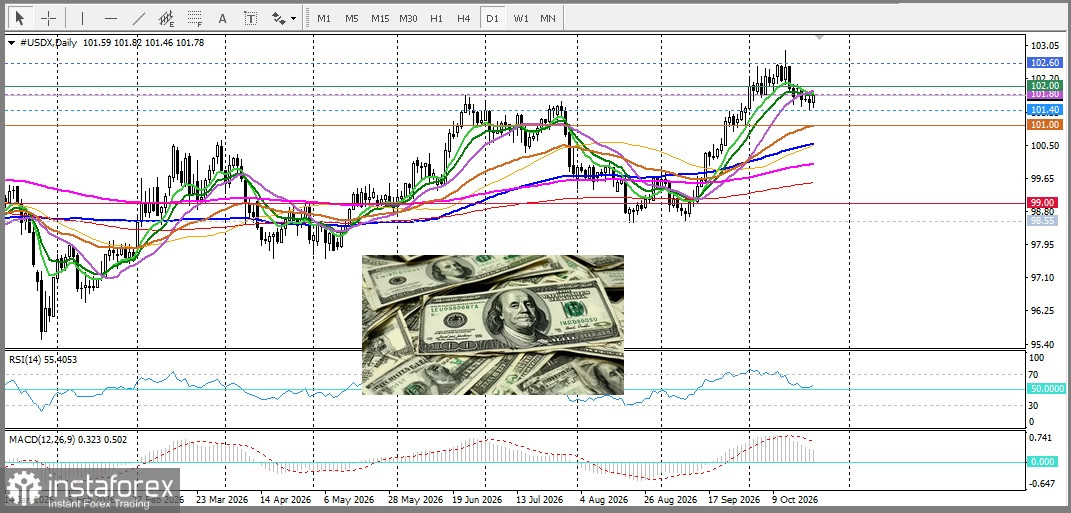
There is a trend toward reallocating capital away from technology stocks and the artificial intelligence (AI) sector into more conservative instruments, such as government bonds. This has pushed yields on benchmark US Treasury securities to a monthly low, breaking below the 5% mark. An additional factor supporting the US dollar was a recent statement by Federal Reserve officials indicating that there is no immediate need to raise the key interest rate further. These circumstances have kept the dollar close to the three-week low recorded on Thursday, despite a modest recovery, and continue to provide substantial support for EUR/USD.
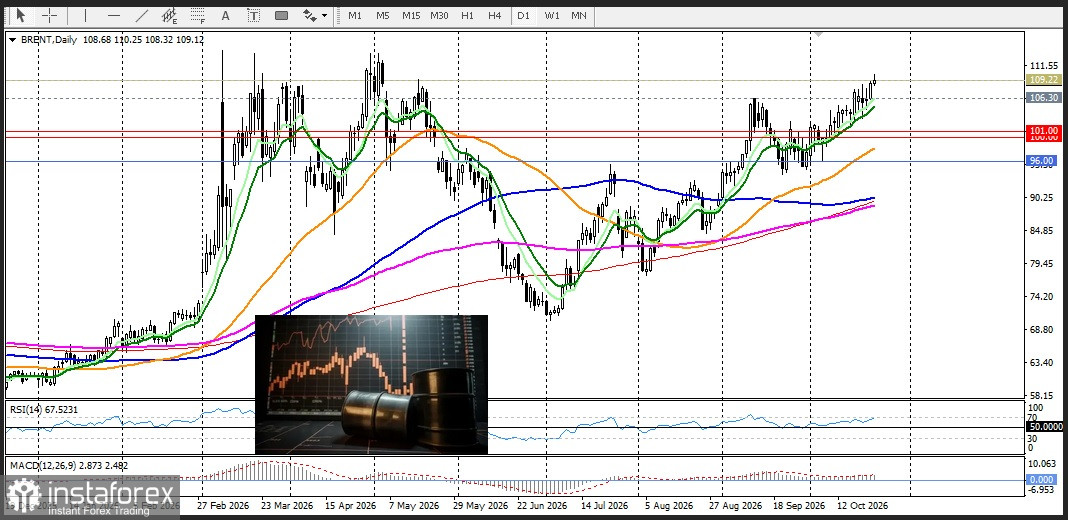
Furthermore, concerns about inflationary pressures, exacerbated by energy price volatility amid rising oil prices, may indicate the possibility of further monetary policy tightening by the Fed. Combined with geopolitical tensions in the Middle East, these factors limit the potential for further dollar weakness, as the US currency is traditionally considered a safe-haven asset.
At the same time, France's severe sovereign debt crisis and persistent political instability continue to weigh on the single European currency, limiting the upside potential of EUR/USD.
Today, traders seeking the best trading opportunities should focus on the upcoming release of preliminary Purchasing Managers' Index (PMI) data for the eurozone and the United States, which could trigger new market movements. However, particular attention should be paid to the outcome of next week's two-day Federal Open Market Committee (FOMC) meeting, as well as the release of key US macroeconomic data, including the preliminary third-quarter GDP report and the Personal Consumption Expenditures (PCE) price index.
From a technical perspective, EUR/USD has a bearish bias in the short term, remaining below all key moving averages and trading near support at 1.1180. The next support level lies at 1.1150. Oscillators are in negative territory, indicating that bears have the advantage. Resistance remains near the confluence of the 20-day simple moving average (SMA) and the 14-day exponential moving average (EMA).
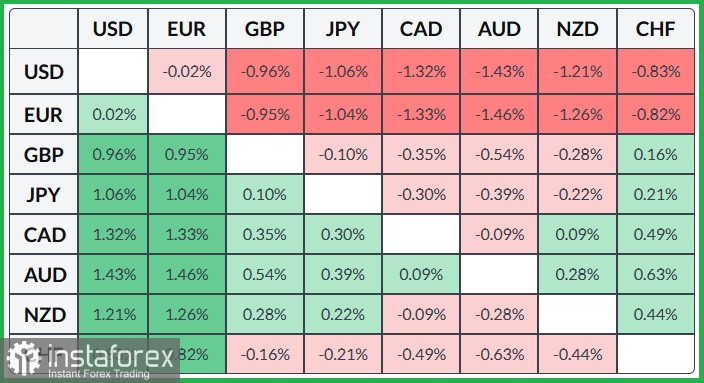
The table below shows the percentage change in the US dollar against major global currencies over the past seven days. The dollar has recorded its strongest appreciation against the euro.