यह भी देखें


 10.02.2026 08:48 AM
The dollar is once again under strong pressure, while the euro, pound, and other risk assets, including the Japanese yen, have seen notable increases.
Yesterday, President Donald Trump stated that his nominee to head the Federal Reserve, Kevin Warsh, could achieve economic growth of more than 15% per year. We all understand that such a result is unattainable without a sharp decrease in interest rates. This statement by Trump, made against the backdrop of growing tensions in the global economy, underlines his commitment to the ideas he has defended throughout his political career. Warsh, a well-known economist with extensive experience on Wall Street and at the Federal Reserve Bank of New York, has long argued that economic reforms are needed. In his opinion, the current Fed policy is too conservative, which hinders recovery. Traders reacted to Trump's statements with active sales of the dollar, which is not surprising.
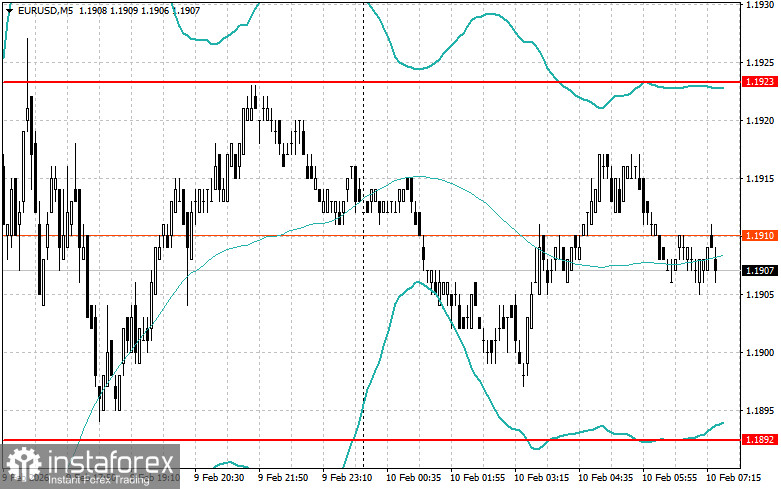
Today, there are no Eurozone data, so the upward potential for EUR/USD may slow. In recent days, the pair has shown confident growth, supported by soft signals from Fed representatives. However, the absence of key data from Europe—whether PMI indices or inflation reports—creates a vacuum today, in which speculators begin to lock in profits. The currency market is always sensitive to a lack of information, so one should not expect active movements in the pair.
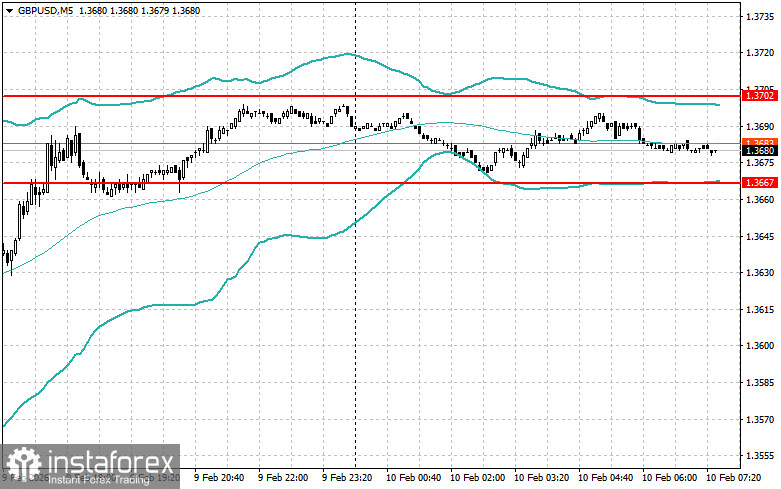
As for the pound, the situation is similar: there are no fundamental data scheduled for the first half of the day, so the British pound may also slow its growth against the dollar. However, the currency market often reacts to the absence of significant news with inertia from previous trends, and the current dynamics of GBP/USD look quite convincing. In recent sessions, the pound has strengthened amid a weak dollar, driven by mixed signals from the Fed. Investors, tired of uncertainty regarding rate policies, prefer more stable assets, and the British economy, despite its challenges, is showing signs of recovery.